Where I live in Queensland, Australia, the government has recently banned single use plastic bags from all stores across the state. Not everyone was happy with the decision but the majority of people agreed that, although inconvenient, it was a great move for the earth.
As I dragged a mish mash of old beach bags, kids library bags and totes down to the grocery store to do my weekly shop, I began to get inspired to continue this “earthy” stuff throughout my very wasteful home. It’s hard to change a lifetime of habits so I’ve decided to start a room at a time. First room…the kitchen.
The journey of a thousand miles begins with one step – Lao Tzu
Growing up in the 80’s and early 90’s there was nothing like plastic. Plastic wrap, plastic bags, along with Styrofoam boxes and cups. Hygienic, durable and sometimes air tight. Everyone loved it. If you wanted more permanence, you bought Tupperware or the like to be re-used (perhaps the start of the no waste movement?). I now have a kitchen full of plastic ware, a drawer full of plastic wrap and a garbage bin full of disposable plastic boxes and bags from the grocery store.
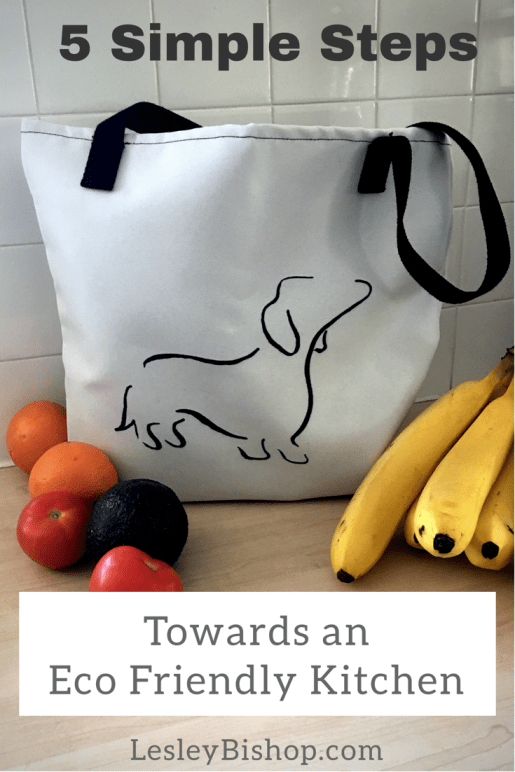
Here are my 5 simple steps to reduce plastic and have a more environmentally friendly kitchen.
1. Reducing Single Use Plastic Bags
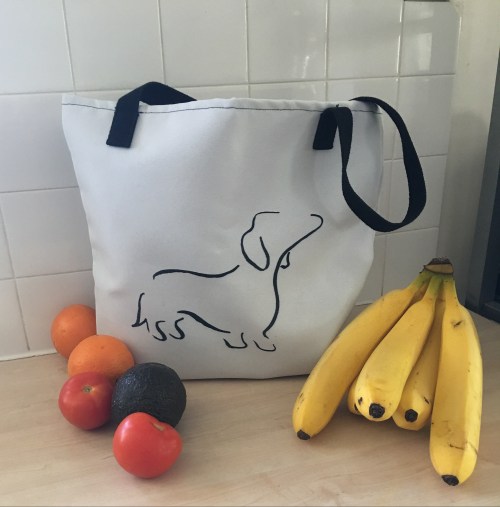
In place of plastic bags, I have a collection of totes and canvas cold bags that I have purchased or made. I keep them in the car and, so far, am doing okay at remembering to bring them to stores. The biggest problem I have discovered is not having the bags to cover smelly garbage before it goes in the bin, or for collecting dog poop around the yard. I asked the older generation for their advice on how they addressed these issues before plastic. Their solution? Newspaper. Now I am constantly on the lookout for scrap magazines and newspapers. It’s working well so far and makes me feel quite self righteous to see all the little newspaper parcels in my bin!
In place of fruit and vegetable bags, crocheted market bags are a great solution.
2. Replacing Plastic Wrap
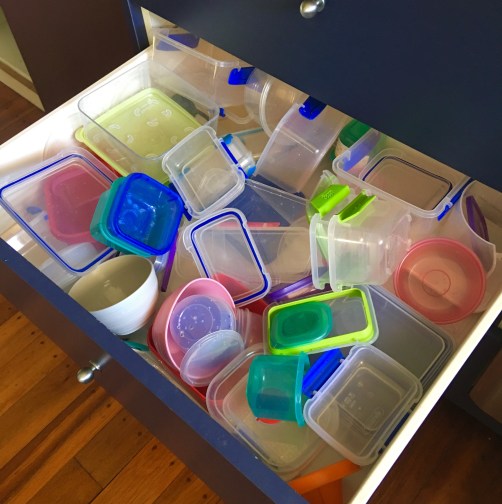
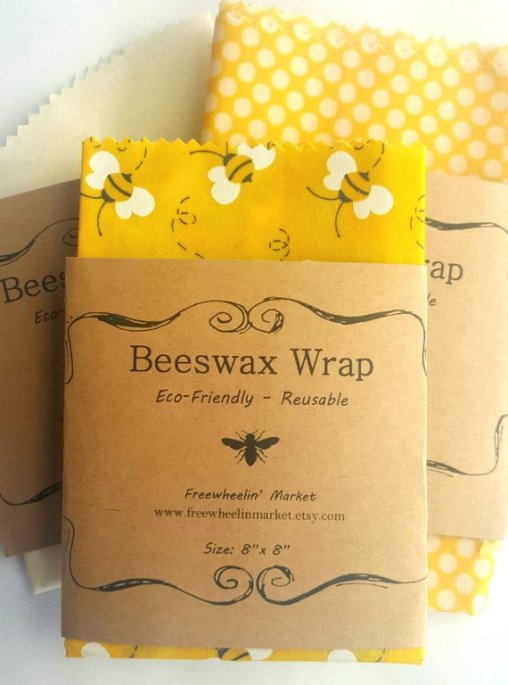
With three children heading off to school everyday with plus lots of leftovers, I seem to always be using plastic wrap. Although I use plasticware (tupperware alternatives etc) I haven’t found anything suitable to wrap sandwiches tightly. A friend recently brought a salad to a barbecue recently with a beeswax wrap round the bowl. This seemed like a great alternative and, apparently, can last up to three years. I visited a local bulk foods store who were selling beeswax wrap at $50AUD a metre. A bit rich for my blood but if they work, it would save a lot more money in the long run.
I do have some concern about the welfare of bees in relation to this product. We all know how valuable bees are to the earth so if vegan wraps work just as well these might be a better alternative.
Have you used beeswax wraps or vegan wraps? I’d love to hear what you think in the comments below.
3. Replacing Throw-away Sponges and Paper Towels
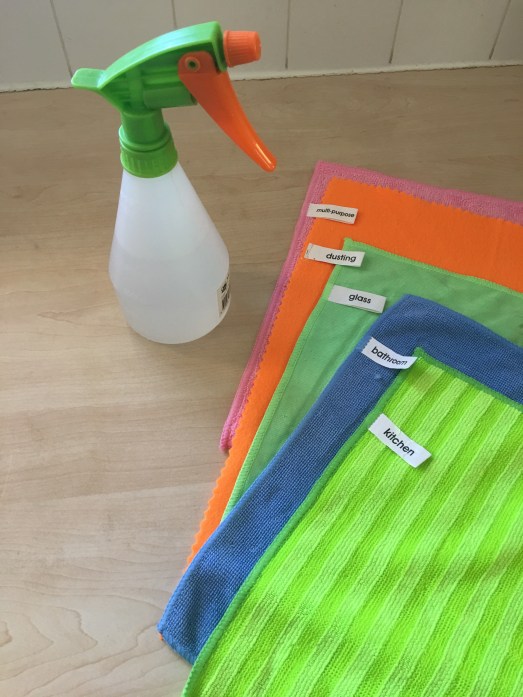
I usually wash my dishes with wipes and sponges that last a few times through the washing machine and then need to be thrown out. I wipe up spills with paper towel – probably a roll a week. I decided this was wasteful and expensive so decided to buy some microfiber clothes that would last much longer. There are a lot of expensive brands on the market. These ones I purchased from my grocery store and so far they’ve lasted a few months. I don’t think its necessary to buy expensive clothes. Scraps of old towels would probably work just as well. I use them for the day and put them in the wash as night.
4. Reducing Your Cleaning Products
We use many different cleaning products in the kitchen every day. Dishwashing detergents, cleaning sprays, disinfectants. These can all be replaced with gentler more natural products. I use a combination of vinegar, water and liquid soap to clean all my surfaces. I also use bicarbonate of soda for many cleaning jobs. For great natural cleaning recipes, have a look at Earth Easy’s tips for non-toxic cleaning
5. Composting your scraps
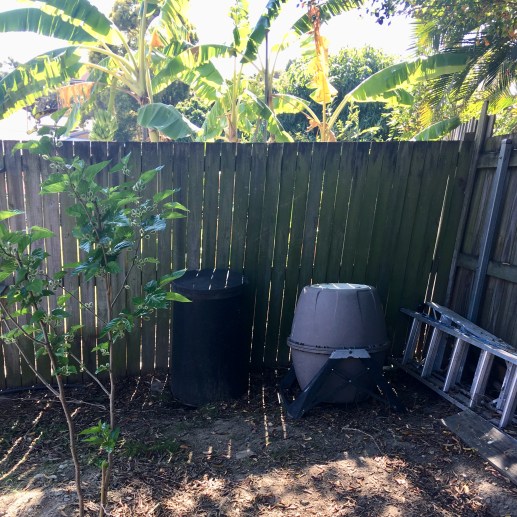
I’ve discovered that composting is easy to do, excellent for my garden and makes me feel good. We started with a tumbling type compost bin and then added another standard bin so we could continue adding to our compost while the first pile was “cooking”. My tips for composting are to use a tumbling bin or make sure you turn the pile over regularly to aerate and mix it. Make sure you have a good mix of wet (fruit and vegetable scraps) and dry (leaves, soil, garden waste) ingredients. Its a good idea not to add onions or citrus to your bin as it apparently scares off good composting bugs.
The best thing I’ve found about composting is that my rubbish bin is usually only half full by the end of the week. That’s a lot less land fill!
These steps might not change the world overnight but if we all do a few small things every day, great things can be achieved. Good luck with your Eco revolution!
From Little Things Big Things Grow – Paul Kelly
Check out our range of gorgeous minimalist tote bags here.

 Lesley Bishop Gallery